Synthesis of hybrid nanoparticle for photocatahlyst, antibacterial, and anticancer applications: A review
DOI:
https://doi.org/10.59190/stc.v7i1.323Keywords:
Antibacterical, Anticancer, Hybrid, Nanoparticle, PhotochatalystAbstract
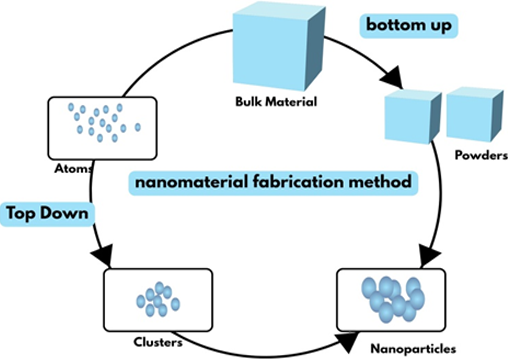
Hybrid nanoparticles have attracted considerable interest in recent years owing to their multifunctional potential across a spectrum of applications, encompassing photocatalysis, antibacterial agents, and anticancer therapeutics. This review furnishes a comprehensive survey of hybrid nanoparticle synthesis, with a focus on diverse synthetic methodologies, constituent materials, and pertinent applications. A range of synthesis techniques, including co-precipitation, hydrothermal methods, mechanical milling, electron beam lithography, gas phase deposition, electrical explosion of wires, spray pyrolysis, laser pyrolysis, thermal decomposition, solvothermal synthesis, sol-gel processes, polyol methods, non-plasma thermal techniques, microemulsion synthesis, vapor deposition and patterning, as well as biological (green) synthesis routes, are explored, with a critical appraisal of their respective merits and limitations. Commonly employed nanoparticulate materials, including metal oxides (e.g., TiO2, ZnO, AgO, CuO, Fe2O3), metallic nanoparticles (e.g., Au, Ag), and organic materials (e.g., plant extracts), are discussed in detail. This review also addresses the applications of hybrid nanoparticles in photocatalysis for the degradation of wastewater pollutants, as antibacterial agents for the control of microorganisms, and in anticancer therapies. Furthermore, the underlying mechanisms governing the photocatalytic, antibacterial, and anticancer activities of hybrid nanoparticles are also elucidated. By synthesizing recent advancements in the synthesis and applications of hybrid nanoparticles, this review aims to provide valuable insights and stimulate further investigation within this rapidly evolving domain.
Published
How to Cite
Issue
Section
License
Copyright (c) 2026 Lulu Hayati, Rahmi Dewi, Herna Herna, Ranti Monika

This work is licensed under a Creative Commons Attribution 4.0 International License.